
The Future of Banking: Embracing Change
As we move further into the 21st century, the banking industry is experiencing a rapid transformation in the face of technology and new players entering the market. In this article, we will explore the challenges and opportunities that this transformation presents, as well as the ten dimensions of change that banks need to embrace to remain competitive.

Data Ecosystem Strategies in Banking and Finance
Data is becoming the new oil, and the century of data is upon us. Banks were once the kings of data, but now technology giants such as Google, Apple, Facebook, Amazon (GAFFA), and Baidu, Alibaba, Tencent (BAT) have taken over. The rise of open banking through application programming interface (API) infrastructures is enabling third-party providers to own the holistic picture of client financial data. Banks must catch up with technology giants in this data ecosystem strategy.

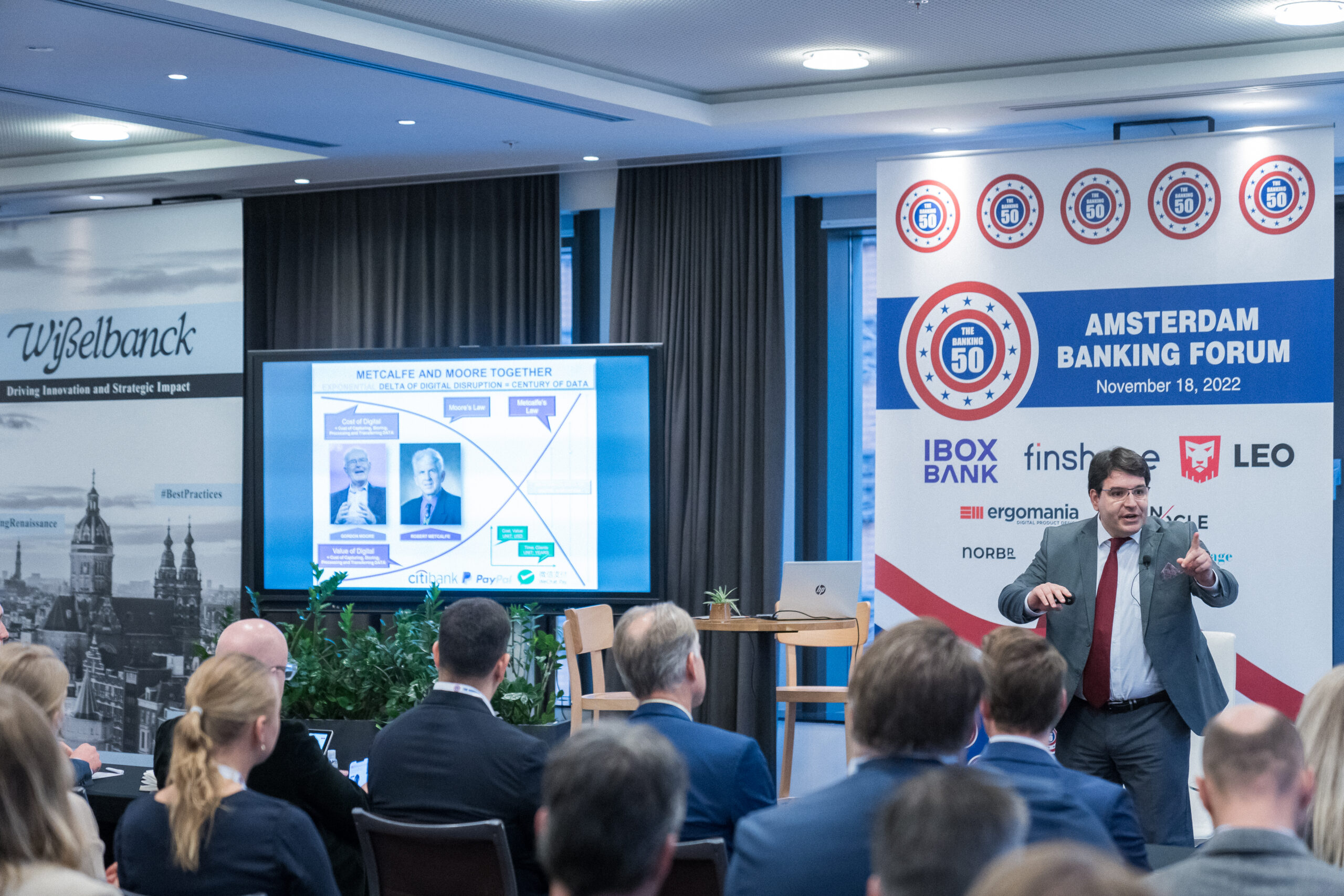
The Future of Banking: 10 Dimensions of Change
There are ten major dimensions of change that banks need to embrace to remain competitive. The first of these is RegTech, which enables banks to comply with regulations in a faster, easier, and more efficient way. Other dimensions of change include the emergence of new players on the supply and demand sides, such as fintech startups and millennials and Generation Z with different preferences for products and channels.
New products, such as mobile wallets, robo-advisors, BNPL, and augmented reality applications, are also emerging, as well as new channels like voice banking, smart glasses, smart contact lenses, VR, and TikTok. New business models, including monetizing data captured from payments, and new risks, such as the cryptocurrency bubble and cybersecurity risks, are also emerging.
The adoption curve of financial services is becoming exponential, with the rise of open banking and API ecosystems forming a new market structure. Finally, data is becoming the new key input resource, and data analytics is playing a crucial role in developing new banking products, services, and business models.


The Century of Data and AI
Data will become even more crucial as it becomes magnitudes richer, bigger, and faster through 5G, 6G technology, and the Internet of Things (IoT). Data is going to be the key input resource for artificial intelligence (AI), which will bring the entire data ecosystem strategy to a whole new level. Gordon Moore and Robert Metcalfe gave famous interviews in the United States in 1974. Moore’s Law states that the cost of computing, capturing, storing, transferring, analyzing data, and turning data into value is going down exponentially. Metcalfe’s Law states that the value of telecommunications networks is proportional to the square of the number of connected users of the system.
In conclusion, embracing change is essential for banks to remain competitive in the face of new technologies and players entering the market. Data is becoming the new key input resource, and data analytics is playing a crucial role in developing new banking products, services, and business models. By embracing the ten dimensions of change, banks can adapt and thrive in this rapidly transforming industry.